


SEO Challenges When Entering the German Digital Market
 Posted by
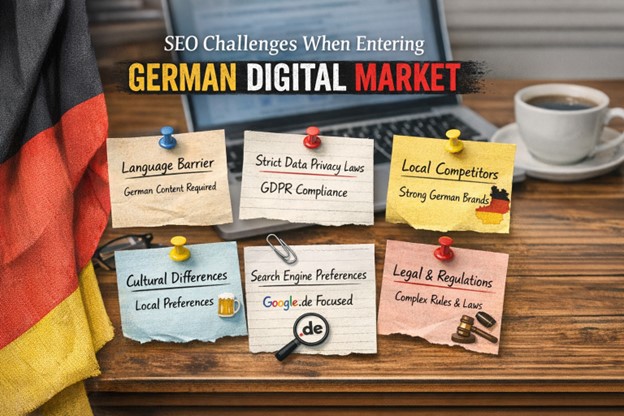
Someone launches a polished new website, translates a few pages into German, adds some keywords, and waits for the traffic to arrive. It seems logical, as more languages should mean more visitors. But that’s rarely how it works.
Many companies assume the German market behaves just like the English-speaking web. They apply the same SEO tactics, the same site structure, and the same content strategies. At first, it seems like a reasonable plan. Then the rankings stall, traffic remains low, and analytics reports stay disappointingly quiet.
What they eventually discover is that entering Germany’s digital landscape requires more than translation. That’s usually when German SEO services come into the conversation, often after businesses realize the search environment operates a bit differently.
Language is More Than Translation
At first glance, German seems familiar to English speakers. It uses the same alphabet, and many words appear somewhat recognizable. Then the compound words appear. German frequently combines multiple words into long, precise terms that describe very specific ideas.
What might be three separate words in English can appear as one compound keyword in German search queries. If that nuance is missed, the content may fail to match the user’s search intent entirely.
Native readers also notice awkward translations quickly. A sentence may be grammatically correct but still feel unnatural or slightly “imported.” That’s why professional German SEO services often rely on native writers rather than simple translation tools. The difference becomes clear in both readability and search performance.
German Search Behavior Is Highly Specific
German users often search with very clear intent. Instead of vague or general queries, many searches include detailed descriptions of products’ features or locations. This creates a keyword landscape where long-tail phrases carry insignificant value.
A broad keyword may bring some traffic, but highly specific phrases often attract users who are already close to making a purchase decision. Companies entering the market sometimes overlook this pattern. They target large, high-volume keywords because the numbers look impressive. Meanwhile, the real opportunities lie in longer, more descriptive search terms that better reflect how German users search.
Trust Signals Carry Serious Weight
Online trust is extremely important in Germany. Cultural expectations and legal frameworks both contribute to this emphasis. Visitors expect transparency. They want to see the company. information, clear contact details, and properly written privacy pages. Even elements like SSL certificates and clear site navigation matter more than many international companies realize.
Search engines recognize these signals as well. Websites that appear vague or incomplete often struggle to gain traction. Because of this, German SEO services frequently focus on strengthening credibility signals before moving on to deeper optimization strategies. It may not be the most exciting part of SEO, but it’s essential.
Regulations Add Another Layer
One of the biggest surprises for many businesses entering the German market is regulation. Germany operates under strict data protection standards, and enforcement tends to be taken seriously. Cookie policies, privacy disclosures, and data handling practices must all be carefully implemented.
A website that performs well in other markets may face compliance challenges in Germany. When legal considerations enter the picture, SEO becomes just one element of a larger framework. Experienced German SEO services typically align optimization efforts with regulatory requirements from the start to avoid complications later.
Local Competition Understands the Market
German companies already understand their audience. They write naturally in the language, recognize regional search behaviors, and often build backlinks from local websites with strong authority.
New businesses sometimes assume global SEO strategies will automatically deliver results. Sometimes they do; often they don’t. Search engines tend to reward content that clearly connects with the local digital ecosystem—German-language blogs, industry directories, regional publications, and partnerships with local businesses. Building those connections takes time and patience.
Final Thoughts
Companies that recognize these factors early tend to gain momentum faster. Those that treat Germany as a simple translation project often spend months wondering why their rankings refuse to improve. That’s one reason german seo services continue to grow in demand. Once businesses understand how the market actually operates, expert guidance begins to look less like an optional expense and more like a necessary step for success.