


SEO Challenges When Targeting Russian-Speaking Audiences
 Posted by
It’s very common for people to launch a website targeting Russian speakers with a confident plan. The strategy sounds simple—translate the existing English pages, tweak a few keywords, and publish the localized version.
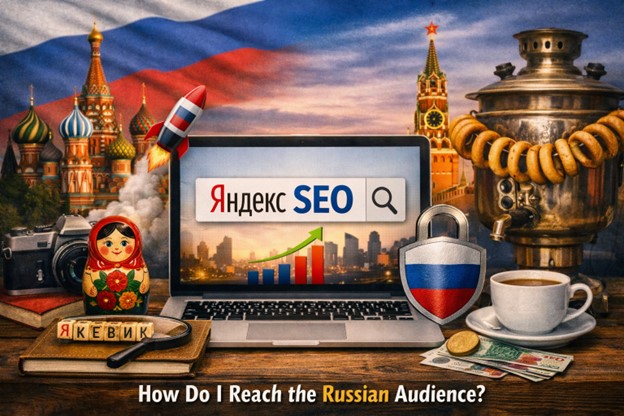
On paper, it sounds reasonable. A few months later, the analytics told a different story. Traffic stayed flat. Rankings barely changed. Meanwhile, smaller local websites kept appearing higher in the search results. The content itself wasn’t the problem; the strategy simply didn’t match the audience. This is something professional Russian SEO services know too well.
Two Major Search Engines
When most marketers think about SEO, they immediately think of Google. That makes sense given its dominance across the world. Russia, however, doesn’t follow that pattern entirely. Yandex holds a significant share of search activity across Russian-speaking regions. And it doesn’t operate exactly like Google. Ranking factors differ, the algorithm prioritizes signals differently, and local user behavior influences results in unique ways.
Because of this, a website optimized only for Google may struggle to perform well in Yandex search results. Companies expecting familiar SEO tactics to work everywhere often find this confusing. That’s why many businesses eventually rely on Russian SEO services, where specialists understand how both search engines function and how to build strategies that perform across them.
Translation Alone Isn’t Enough
The Russian language introduces another challenge. It is a highly inflected language, which means words change their endings depending on grammatical context. A single keyword can appear in multiple forms depending on how it’s used. Search queries also vary depending on how someone phrases a question.
Direct translations from English frequently miss these variations. A phrase may look correct in Russian but still fail to match how real users search. That mismatch can quietly affect keyword performance. Professional Russian SEO services typically conduct detailed keyword research based on actual search behavior. Instead of relying on simple translations, they analyze the query patterns people truly use.
Regional Differences Add complexity.
Russian-speaking audiences extend beyond Russia itself. Large populations also exist in countries like Kazakhstan, Belarus, and other parts of Eastern Europe, along with diaspora communities worldwide. The language remains largely consistent but regional differences still appear.
Certain vocabulary preferences shift slightly. Different regions may favor particular platforms, forums, or social networks. Search trends can also vary depending on location. A campaign designed for Moscow may perform differently in cities like Minsk. The language is shared but the digital environment changes. This is another area where Russian SEO services provide value, often adapting strategies based on the specific regions a business wants to reach.
Trust Signals Matter
Russian internet users can be particularly cautious when interacting with unfamiliar websites. Years of aggressive advertising and online scams have made many users careful about where they spend their time.
Visitors often examine reviews, brand reputation, and website credibility before engaging deeply. If something feels wrong—awkward language, weak localization, or outdated design—they tend to leave quickly.
Search engines notice that behavior. High bounce rates and low engagement can gradually push a page lower in rankings. Well-localized content helps reduce that friction. When pages read naturally and clearly, addressing the audience, users stay longer.
Conclusion
The Russian-speaking digital market is enormous, with strong engagement across many industries. Businesses that succeed there often find it highly rewarding. However, the SEO approach differs from what many international brands expect. Search engines behave differently.
Language complexity affects keyword strategy. Cultural trust signals influence how users interact with websites. Once companies adapt to those realities, results usually begin to improve steadily. But the shortcut approach—quick translation and standard SEO tactics—rarely goes far in this particular part of the internet.