


SEO for the Long Game: How to Build Traffic That Lasts for Years
 Posted by
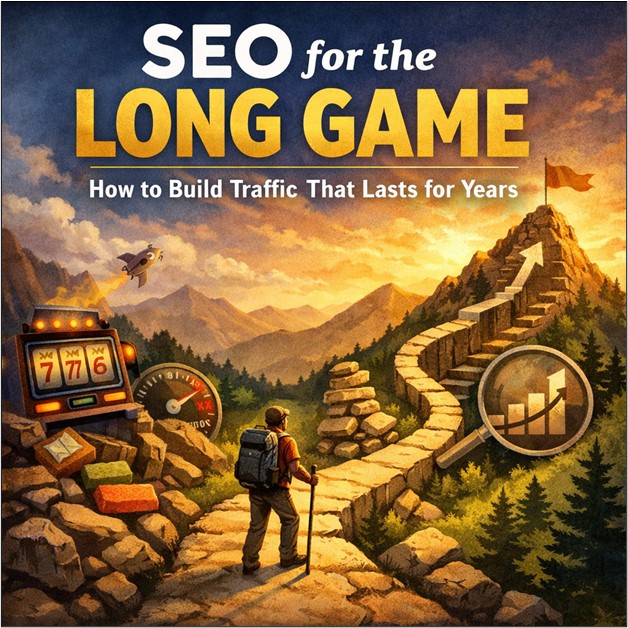
SEO has a temptation problem. Quick wins look attractive with new hacks, trending tactics, and sudden spikes in rankings. But most of that traffic fades as fast as it appears. The sites that keep winning year after year take a slower, steadier route. They treat SEO like an investment, not a lottery ticket. Long-term SEO is about building assets that compound.
Pages that keep attracting visitors long after they’re published.
Systems that survive algorithm updates instead of collapsing under them.
Build Content That Doesn’t Expire
Evergreen content is the backbone of sustainable traffic. These are pages that answer fundamental questions in your niche, which are the kind people will still search for years from now.
Instead of chasing trends or writing reaction pieces, focus on guides, tutorials, definitions, and comparisons. Go deep; add real examples, original insights, and practical setups. The goal isn’t just to rank; it’s to become the page people bookmark.
Evergreen doesn’t mean untouched. The strongest pages get updated regularly. New data, clearer explanations, and better formatting. Over time, these pages attract links naturally and strengthen your entire site.
Think in topics, not individual posts.
One-off blog posts rarely carry long-term weight. Google increasingly rewards topical authority. These are sites that demonstrate deep coverage of a subject, not scattered expertise.
This is where content clusters matter. Create one strong pillar page that covers a topic broadly, then support it with related articles that go deeper into specific subtopics. Internal links connect everything, helping search engines understand relevance and helping users explore naturally.
This structure also future-proofs your content. When algorithms change, topic depth tends to survive better than isolated pages.
Earn Trust, Don’t Just Optimize for It
Experience and credibility matter more every year. Google wants to rank sources that actually know what they’re talking about, not just those that format content well.
Show real expertise, add author bios, cite reliable sources, and share firsthand experience. Use examples that prove you’ve done the work, not just read about it. Over time, these trust signals stack up and turn a site into a recognizable authority.
Brands benefit here too. When people search for you by name or return directly to your site, Google notices. Remember, trust isn’t a single metric but a pattern.
Lock in a Strong Technical Foundation
Technical SEO isn’t exciting, but it’s what keeps long-term growth stable. Slow pages, broken links, messy URLs, and poor mobile performance quietly undermine everything else.
Clean site structure, fast load times, mobile optimization, and proper indexing ensure your content remains accessible. Schema markup adds clarity. Secure connections build confidence. Once these are in place, they don’t need constant attention. But without them, nothing scales properly.
Must Read: Broken Link Building: The SEO Strategy That Wins by Cleaning Up Messes
Build Links the Slow, Honest Way
Backlinks still matter, but how you earn them matters more. Shortcuts might work briefly, but they rarely age well.
Long-term sites earn links through usefulness. Original research, high-quality resources, and genuine collaboration are key. Guest contributions that add value, not just anchor text. These links are harder to get but they last.
At the same time, brand mentions, citations, and visibility across platforms strengthen authority even when links aren’t involved.
Maintain, Measure, and Adjust
SEO for the long game isn’t “set and forget.” It’s review and refine. Audit content regularly. Refresh pages that perform well. Watch how users behave. Adapt formats when attention shifts.
Conclusion
SEO rewards patience, not shortcuts. Build evergreen content, earn trust, and improve consistently. Over time, small efforts compound into lasting visibility, steady traffic, and rankings that survive algorithm shifts.